Insurance is designed to help when something goes wrong. It’s not designed to stop things from going wrong in the first place. That’s an important distinction, and one that often gets blurred.
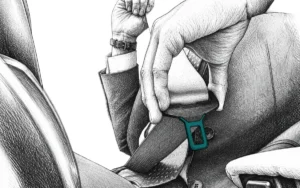
A seatbelt reduces the impact of a crash. It doesn’t teach you how to drive, warn you about the corner ahead, or stop you from speeding. Insurance works the same way. We sometimes see clients assume that because they’re insured, the risk is somehow “managed”.
In reality, the policy only responds after the incident, once the damage is already done. This is where gaps start to show:
- Risk controls that were never implemented
- Procedures that existed on paper but not in practice
- Operational changes that weren’t reflected in the policy
- Assumptions that insurance would absorb more than it reasonably can
None of this means the cover is wrong. It just means insurance was expected to do a job it was never designed to do.
The value brokers bring
Helping clients understand the difference between:
- Reducing the likelihood of a loss, and
- Managing the consequences when it happens
Both matter, but they are not the same thing.
A useful broker conversation: “Insurance will respond if this goes wrong, but what’s in place to stop it going wrong in the first place?” That shift in thinking changes how risks are discussed, how policies are structured, and how claims are experienced.
Insurance is essential. But it works best when it’s treated as a seatbelt, not a driving lesson.
TRUM Takeaway: The value brokers bring is clarifying the distinction between preventing a loss and merely managing its financial consequences.
TRUM Takes ~ Straight talk on the risks brokers actually see.
Please use this link to join the TRUM Takes series: https://trum.insure/get-trum-takes/